
Herbal Allies Used In The Protocol
Chamomile (Matricaria chamomilla) — One of the oldest and most trusted healing herbs on the planet. Anti-inflammatory, calming to the gut and the nervous system, and deeply supportive of the transition from fight-or-flight into rest-and-repair. Begin drinking 1–2 cups of organic chamomile tea daily, particularly in the evening. Think of this as your first act of listening to your body — giving it the gentle, nourishing signal that it is safe to begin healing.
Lemon Balm (Melissa officinalis) — A beautiful nervine herb that calms anxiety, supports digestion, and has been shown to improve cognitive function and mood. Wonderful as a tea or tincture. This herb is your companion for the emotional upheaval that can accompany "the great unlearning" — it steadies you as old paradigms crumble.
Oat Straw (Avena sativa) — A deeply nourishing nervous system trophorestorative — meaning it doesn't just calm the nervous system temporarily but actually rebuilds and restores depleted nervous tissue over time. Rich in minerals including silica, magnesium, and calcium. Begin as a daily infusion (a strong, long-steeped tea) to start replenishing the mineral foundation your body desperately needs.
Nettle Leaf (Urtica dioica) — One of the most mineral-dense plants on earth. Rich in iron, calcium, magnesium, silica, potassium, and chlorophyll. A daily nettle infusion (steeped 4+ hours) is like a multivitamin from nature — deeply nourishing, alkalizing, anti-inflammatory, and supportive of kidney function. This becomes a cornerstone of your daily herbal practice.
Red Raspberry Leaf (Rubus idaeus) — A deeply nourishing women's tonic herb, rich in minerals and particularly supportive of hormonal balance and uterine health. Combine with nettle for a powerful daily mineral infusion.
Alfalfa (Medicago sativa) — Called "the father of all foods" in Arabic, alfalfa's deep taproots mine minerals from deep in the soil that other plants can't access. Rich in vitamins K, C, and A, plus trace minerals. Excellent as a tea or supplement.
Spirulina / Chlorella — Nutrient-dense freshwater algae that provide bioavailable iron, B-vitamins, chlorophyll, protein, and trace minerals while also supporting detoxification (chlorella binds heavy metals). Begin with small doses and increase gradually.
Turmeric (Curcuma longa) — One of the most potent anti-inflammatory herbs in existence. Curcumin, its active compound, modulates NF-kB, the master inflammatory switch in the body. Best taken as a golden milk preparation with black pepper (piperine) and fat for absorption, or as a high-quality standardized supplement.
Ginger (Zingiber officinale) — Anti-inflammatory, circulatory stimulant, digestive aid, and nausea remedy. Supports motility and gut function. Fresh ginger tea daily or added to meals.
Dandelion Root (Taraxacum officinale) — A gentle but powerful digestive bitter that stimulates bile production, supports liver function, and promotes healthy digestion. Begin drinking as a roasted root tea (a beautiful coffee substitute) or take as a tincture before meals. We're beginning to wake up your digestive fire and prepare your detox pathways for the deeper work ahead.
Milk Thistle (Silybum marianum) — The premier liver-protective and liver-regenerative herb. Silymarin, its active compound, has been shown to protect hepatocytes from toxin damage, stimulate liver cell regeneration, increase glutathione production (the body's master antioxidant), and support both Phase I and Phase II detoxification. Take as a standardized supplement or seed tea.
Burdock Root (Arctium lappa) — A deep-acting blood and lymph cleanser traditionally used to support the liver, kidneys, and skin simultaneously. Gently pulls toxins from tissues and supports their elimination. Wonderful as a decoction (simmered root tea) or added to bone broth.
Red Clover (Trifolium pratense) — A gentle but effective blood purifier and lymphatic mover, with additional benefits for hormonal balance in midlife women due to its natural isoflavones. Take as a tea or tincture.
Cleavers (Galium aparine) — One of the most effective lymphatic herbs, cleavers gently stimulates lymphatic flow and supports the body's ability to move waste out of tissues. Best as a fresh juice or cold infusion.
Dandelion Leaf (Taraxacum officinale) — While we introduced dandelion root in Week 2 for liver and digestive support, the leaf is a gentle, potassium-sparing diuretic that supports kidney function and fluid balance. Combine leaf and root for comprehensive liver-kidney support.
Ashwagandha (Withania somnifera) — A premier adaptogenic herb that supports thyroid function (essential for voltage regulation per Dr. Tennant), balances cortisol, enhances mitochondrial function, and increases energy and resilience. Particularly powerful for women in midlife dealing with adrenal and thyroid depletion. Take as a powder in warm milk or as a supplement.
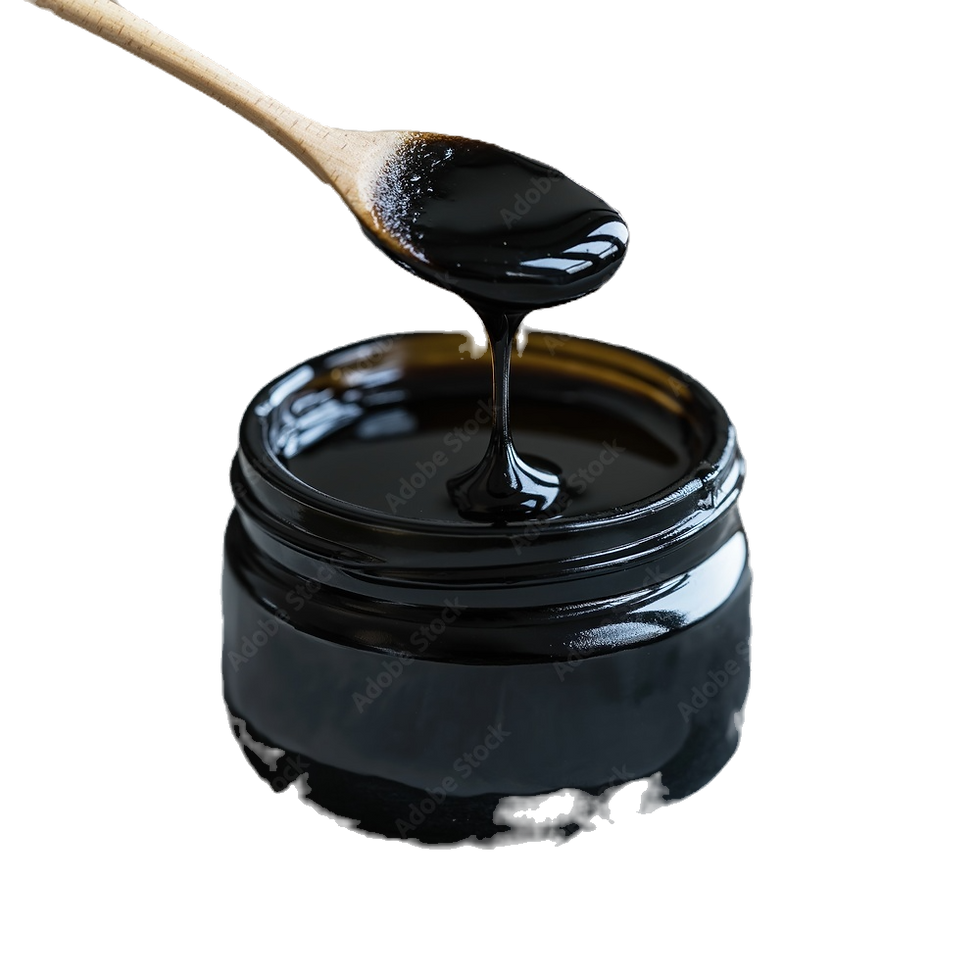
Shilajit — A mineral-rich resinous substance containing high concentrations of fulvic and humic acids — the very substances Dr. Tennant identifies as essential for cellular voltage conduction. Fulvic acid acts as an electrolyte, helping cells absorb minerals and carry electrical charge. Start with a small, pea-sized amount dissolved in warm water each morning.
Rhodiola (Rhodiola rosea) — An adaptogen that enhances cellular energy production at the mitochondrial level, improves oxygen utilization, and increases physical and mental stamina. Excellent for the deep fatigue that accompanies chronic voltage depletion.
Eleuthero / Siberian Ginseng (Eleutherococcus senticosus) — An adaptogen that increases endurance, supports the body's stress response, and enhances overall vitality. Gentle enough for long-term use and particularly suited to the kind of deep, systemic depletion these women are experiencing.
Holy Basil / Tulsi (Ocimum sanctum) — Called "The Incomparable One" and sacred in Ayurvedic tradition, tulsi is an adaptogen that specifically modulates the HPA axis (your stress response system), lowers cortisol, calms the mind, and has been shown to promote clarity and emotional resilience. It is the perfect herbal companion for the deep belief-reprogramming work of this week — soothing the nervous system while you excavate subconscious patterns. Drink as a tea throughout the day.
Passionflower (Passiflora incarnata) — A powerful nervine that calms racing thoughts, reduces anxiety, and promotes the theta brainwave state — the very state in which subconscious reprogramming is most effective. Excellent as a tincture or tea, particularly before journaling, meditation, or belief-work sessions.
Mimosa Bark (Albizia julibrissin) — Known in Chinese medicine as "the collective happiness bark," mimosa is used specifically for grief, emotional heaviness, depression, and a broken heart. As you unearth childhood programming and patterns of self-abandonment this week, mimosa is a beautiful ally for processing and releasing the grief that often surfaces.
Rose (Rosa spp.) — Heart-opening, grief-soothing, and deeply nurturing. Rose is the herb of self-love and compassion. As rose hips (vitamin C-rich tea), rose petal infusion, or rose tincture, this herb supports the heart — physically and emotionally — as old wounds surface for healing.
Hawthorn Berry (Crataegus spp.) — The ultimate herb of the heart — physically and spiritually. Hawthorn strengthens the heart muscle, improves circulation, regulates blood pressure, and has been used for centuries as an herb of emotional courage, grief processing, and spiritual opening. It is the perfect companion for the heart-coherence and forgiveness work of this week. Take as a tea, tincture, or syrup.
Reishi Mushroom (Ganoderma lucidum) — Known in Chinese medicine as "the mushroom of spiritual potency" and "the mushroom of immortality," reishi is an adaptogen and immunomodulator that also has a profound effect on the spirit — calming the shen (spirit/mind), promoting inner peace, and supporting deep, restorative sleep. Reishi is the bridge herb between body and spirit. Take as a decoction, powder, or extract.
Blue Lotus (Nymphaea caerulea) — A sacred flower used in Egyptian spiritual practice for thousands of years, blue lotus promotes deep meditation, spiritual opening, and visionary states. Gentle and non-intoxicating, it is a beautiful tea to sip before meditation, prayer, or journaling this week.
Lavender (Lavandula angustifolia) — Calming, clarifying, and spiritually uplifting. Lavender soothes the nervous system, reduces anxiety, and creates a sense of sacredness in any space. Use as an essential oil during meditation, in bath rituals, or as a tea.
Astragalus (Astragalus membranaceus) — A premier longevity and immune-modulating herb in Chinese medicine. Astragalus strengthens the wei qi (protective energy), supports deep immune function, enhances vitality, and is traditionally used for building long-term resilience. It is the perfect "graduation herb" — one that sustains and protects the foundation you've built. Take as a decoction, powder, or add the sliced root directly to soups and broths.
Schisandra Berry (Schisandra chinensis) — Known as "the five-flavor berry," schisandra is a unique adaptogen that supports all five organ systems in Chinese medicine (liver, kidney, heart, lung, spleen). It enhances mental clarity, protects the liver, supports endurance, and promotes a sense of calm vitality. It is an herb of integration — bringing all systems into harmony. Perfect for this final week.
Shatavari (Asparagus racemosus) — Called "she who possesses a hundred husbands" in Ayurveda, shatavari is the premier women's rejuvenative tonic. It nourishes reproductive health, supports hormonal balance through menopause and beyond, moistens dry tissues, calms inflammation, and promotes juicy, radiant vitality. It is a long-term ally for the midlife woman stepping into her most powerful decade.




UNIVERSAL HERBAL PRECAUTIONS
Here are the foundational principles of herbal safety that govern this entire program:
1. You Are Biochemically Unique
No two women in this program will respond to the same herb in the same way. Your response depends on your unique biochemistry, your current health status, your medication profile, your genetic makeup (including liver detoxification enzyme variations like CYP450 polymorphisms), your hormonal status, your gut microbiome, your toxic burden, and even your emotional state. What feels like a gentle, nourishing cup of tea for one woman may trigger a headache, digestive upset, or allergic reaction in another. This is normal. This is expected. And this is why self-awareness is your most important tool.
2. The Golden Rule: Start Low, Go Slow
Every herb introduced in this program should be started at the lowest possible dose and increased gradually over several days. This applies whether you're drinking a tea, taking a tincture, or using a capsule/supplement. Here's why:
-
It allows you to observe your body's unique response before committing to a full dose
-
It reduces the risk of detox reactions (herxheimer reactions) where toxins are mobilized faster than your body can eliminate them
-
It gives your digestive system time to adapt
-
It allows you to isolate which herb is causing a reaction if one occurs
Practical protocol: When starting any new herb, begin with one-quarter of the suggested dose for the first 2 days. If well-tolerated, increase to one-half for 2 days. Then three-quarters. Then the full dose. If at any point you experience an adverse reaction, stop that herb immediately and make a note. Not every herb is for every body — and that is perfectly okay.
3. Introduce ONE New Herb at a Time
When multiple herbs are suggested in a given week, do not start them all at once. Introduce one herb every 2–3 days so that if you have a reaction, you know exactly which herb caused it. This is the same principle used in food elimination protocols — isolation is the key to identification.
4. Known Contraindications & Drug Interactions
Medicinal herbs can interact with pharmaceutical medications, sometimes dangerously. If you are currently taking any prescription or over-the-counter medications, you MUST cross-reference every herb in this program with your medication list before using it. Key interactions to be aware of:
-
Blood thinners (warfarin, aspirin, Eliquis, etc.): Many herbs have blood-thinning properties (turmeric, ginger, garlic, ginkgo, red clover, dong quai). Combining them with pharmaceutical blood thinners can increase bleeding risk.
-
Thyroid medications (levothyroxine, Synthroid): Ashwagandha and other thyroid-supportive herbs can alter thyroid hormone levels and may require medication dose adjustment.
-
Blood pressure medications: Hawthorn, garlic, and other herbs can lower blood pressure, potentially causing hypotension when combined with BP meds.
-
Antidepressants (SSRIs, SNRIs, MAOIs): Some herbs (St. John's Wort, passionflower, certain adaptogens) can interact with antidepressant medications, potentially causing serotonin syndrome or reducing drug efficacy.
-
Immunosuppressants: Immune-modulating herbs (astragalus, reishi, echinacea) may interfere with immunosuppressive drugs used for autoimmune conditions or organ transplants.
-
Hormone replacement therapy or hormonal contraceptives: Phytoestrogenic herbs (red clover, shatavari, black cohosh) can interact with exogenous hormones.
-
Diabetes medications: Several herbs can lower blood sugar (berberine, cinnamon, fenugreek), potentially causing hypoglycemia when combined with diabetes drugs.
-
Sedatives and sleep medications: Nervine herbs (passionflower, valerian, kava) can potentiate sedative effects.
ACTION REQUIRED: Before beginning any herbal protocol in this program, consult with a qualified healthcare practitioner — ideally a clinical herbalist, naturopathic physician, or integrative medicine doctor who understands both pharmaceutical and botanical medicine. Bring your complete medication list and your complete health history. This is not optional. This is sovereignty in action — informed sovereignty.
5. Pregnancy and Nursing
If you are pregnant, nursing, or actively trying to conceive, many of the herbs in this program are contraindicated. Do NOT use any herb during pregnancy or nursing without explicit clearance from a qualified practitioner experienced in botanical medicine during pregnancy. Some herbs that are safe for general use can cause uterine contractions, affect milk supply, or cross into breast milk.
6. Allergies and Sensitivities
-
If you have known allergies to plants in the daisy/aster family (Asteraceae/Compositae), use caution with chamomile, echinacea, dandelion, burdock, and calendula — all are in this family and may cause allergic reactions including skin rashes, respiratory symptoms, or in rare cases, anaphylaxis.
-
If you have a ragweed allergy, chamomile cross-reactivity is well-documented. Start with a tiny amount and monitor closely, or substitute lemon balm.
-
If you have autoimmune conditions, immune-stimulating herbs (echinacea, astragalus) may be contraindicated or require careful monitoring, as they can theoretically upregulate an already overactive immune system. Immune-modulating herbs (reishi, medicinal mushrooms) are generally safer but should still be discussed with your practitioner.
7. Liver and Kidney Considerations
If you have existing liver or kidney disease, some herbs that are safe for healthy individuals may be harmful to compromised organs. Your liver and kidneys are your primary detoxification and filtration organs — if they are already struggling, adding herbs that increase their workload (even "liver-supportive" herbs) can sometimes do more harm than good. Work with a qualified practitioner to determine which herbs are appropriate for your level of organ function.
8. Histamine Sensitivity and Mast Cell Activation
Some women in this program — particularly those with mast cell activation syndrome (MCAS), histamine intolerance, or chronic inflammatory conditions — may be reactive to herbs that are generally considered safe. Fermented preparations, long-steeped infusions, and even certain anti-inflammatory herbs can trigger histamine responses in sensitive individuals. Signs include: flushing, itching, hives, headache, rapid heartbeat, digestive upset, or anxiety after consuming an herb. If you know or suspect you have histamine sensitivity, start with even smaller doses than recommended and prioritize low-histamine preparations (fresh teas steeped briefly rather than long infusions).
9. Quality Matters — Enormously
Not all herbal products are created equal. The supplement and herb industry is poorly regulated, and products can contain contaminants (heavy metals, pesticides, fillers, unlisted ingredients) or may not contain the amounts of active compounds listed on the label. Always source your herbs from reputable suppliers — look for organic certification, third-party testing, GMP (Good Manufacturing Practice) certification, and companies that specialize in herbal medicine. A resource list of recommended suppliers is provided in your program materials.
10. Listen to Your Body Above All Else
This is the most important precaution of all — and it is the very skill this entire program is designed to develop. If an herb doesn't feel right — if your body tightens, your gut rebels, your energy drops, your sleep worsens, or something just feels off — stop taking it. You do not need anyone's permission to stop. You do not need to "push through." Your body's wisdom supersedes any protocol, any recommendation, and any expert — including me. The herbs in this program are suggestions. Your body's response is the authority.